

Atelier Brancusi, Paris
Photography & text: Jennifer Ring
Legend has it that sculptor Constantin Brancusi carried out the entire journey on foot from his hometown of Gorj in Romania, across central Europe, to Paris in 1904. He immediately adopted the French capital as his home and settled there until the mid 1950s. During this pivotal period in his career he worked between two studios on the Ruede Vaugirad, the contents of which he later donated to the state of France on the premise that they would be immaculately reconstructed and preserved in their entirety.
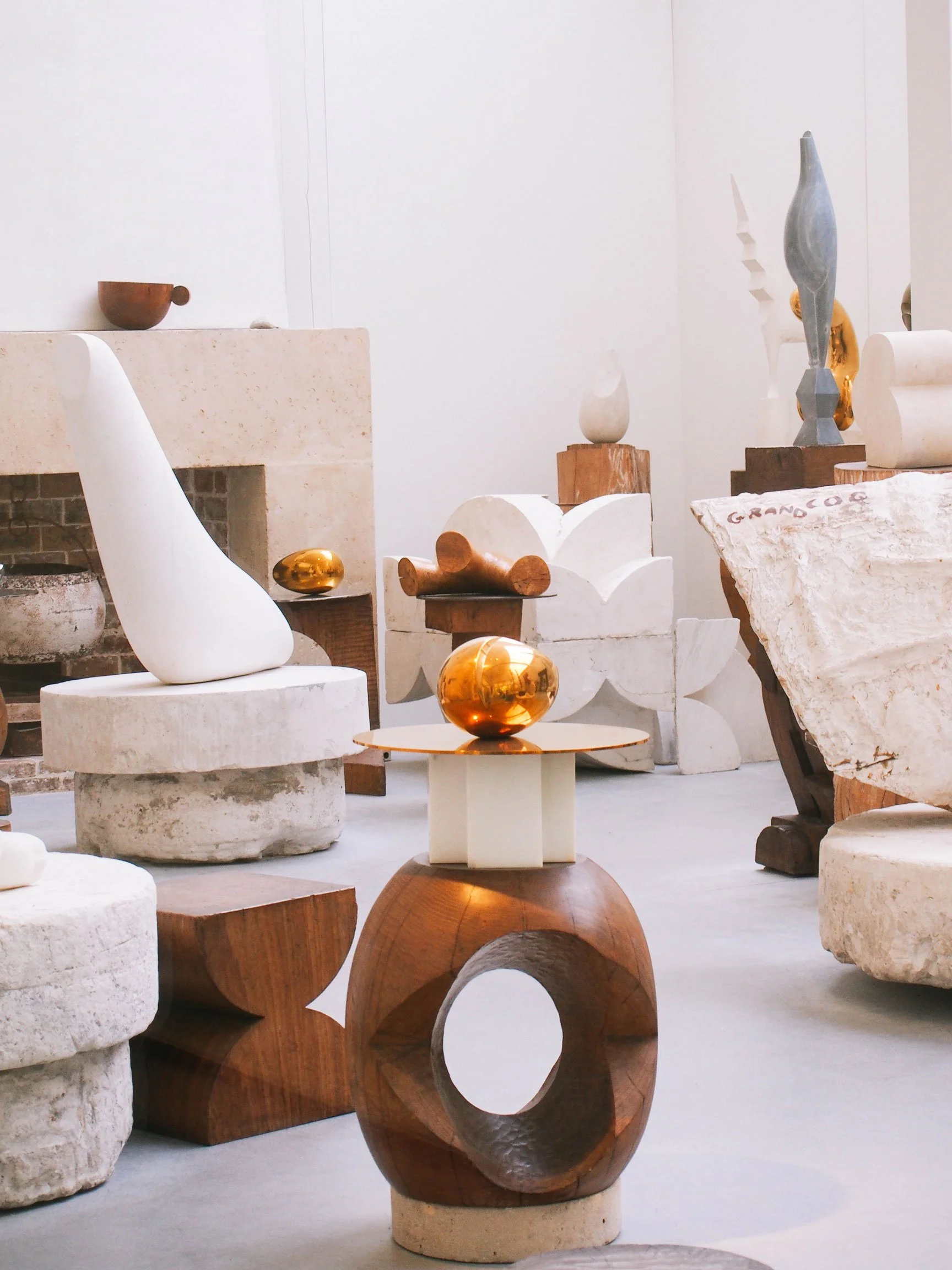
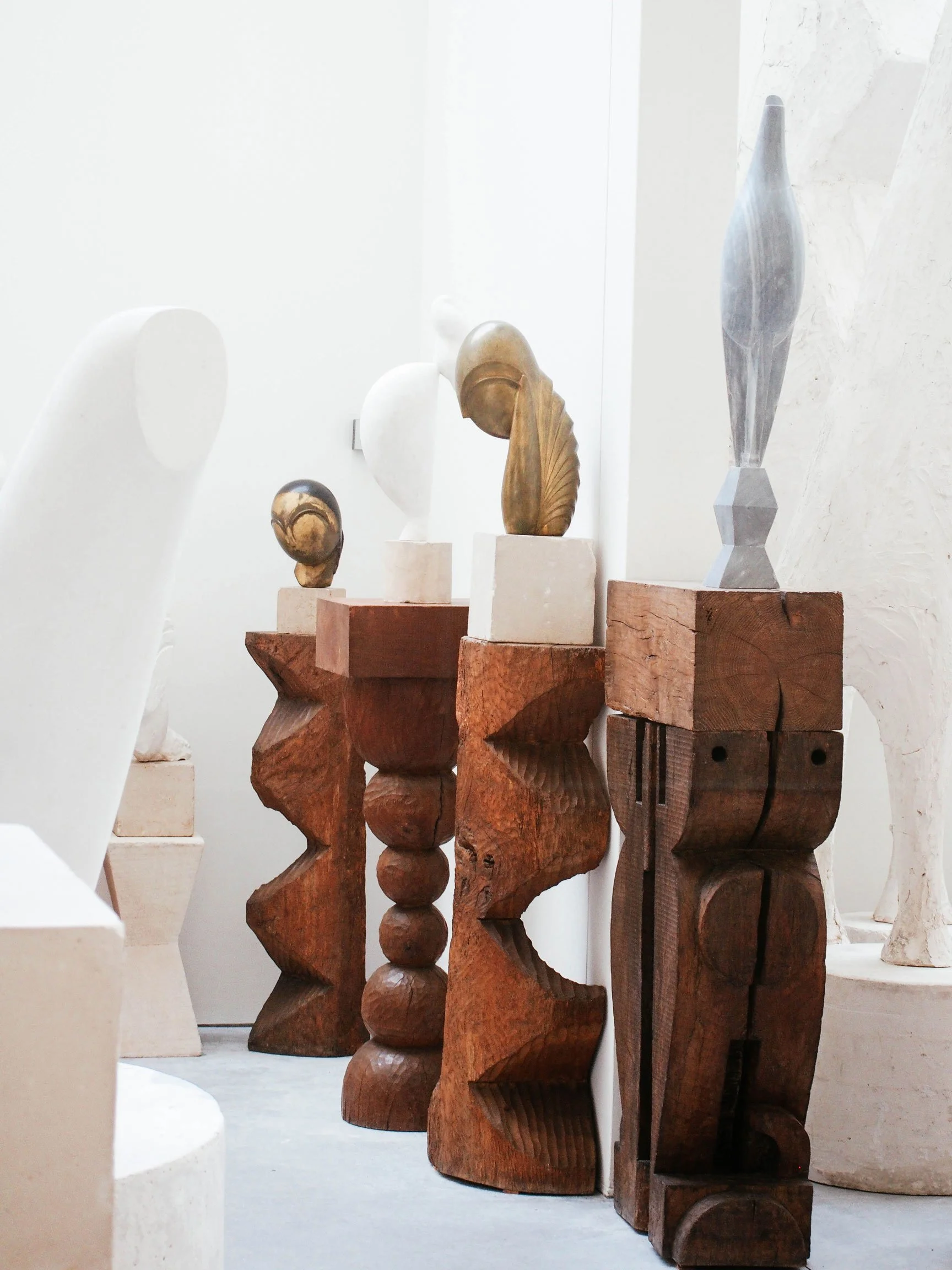
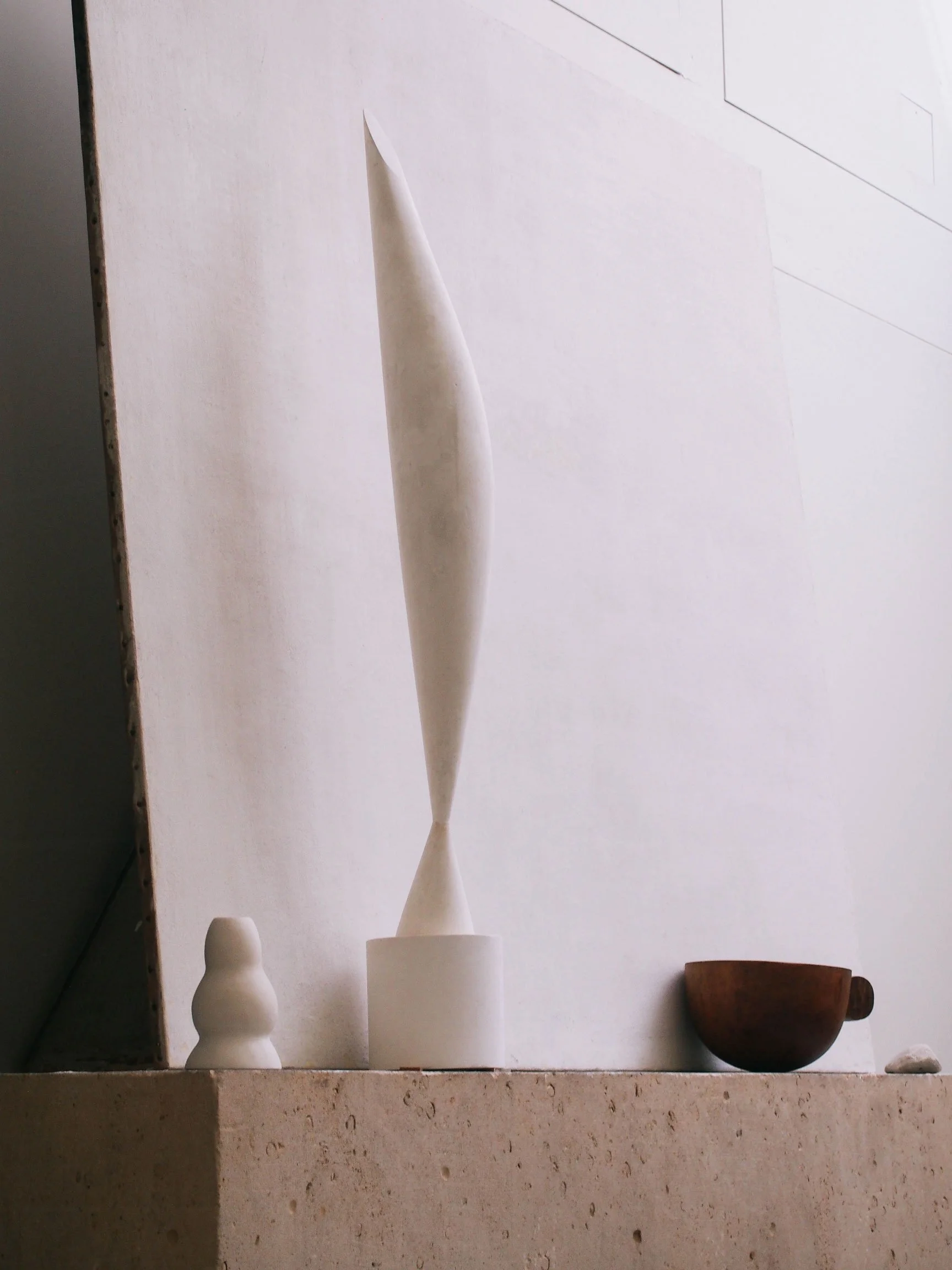
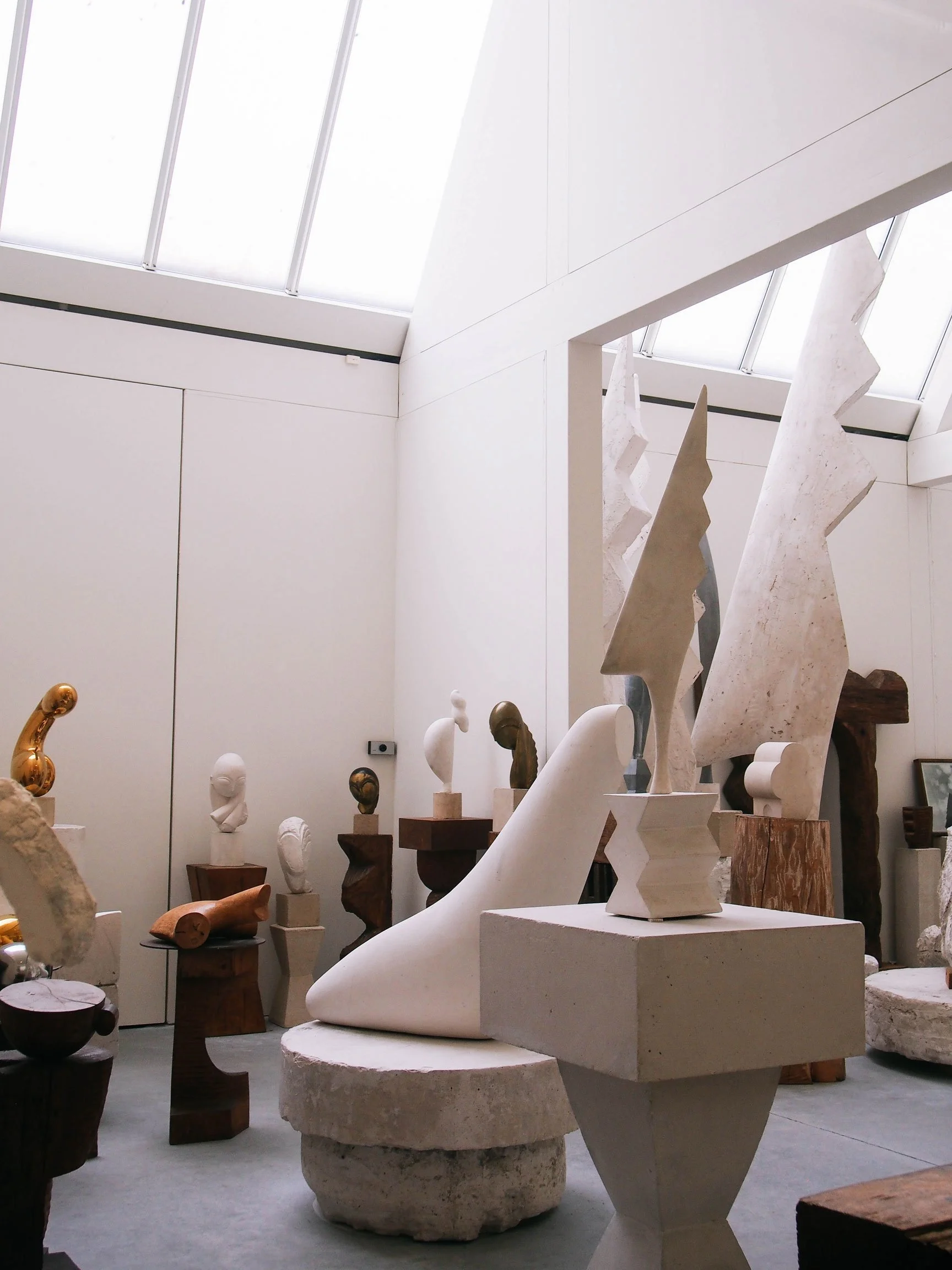
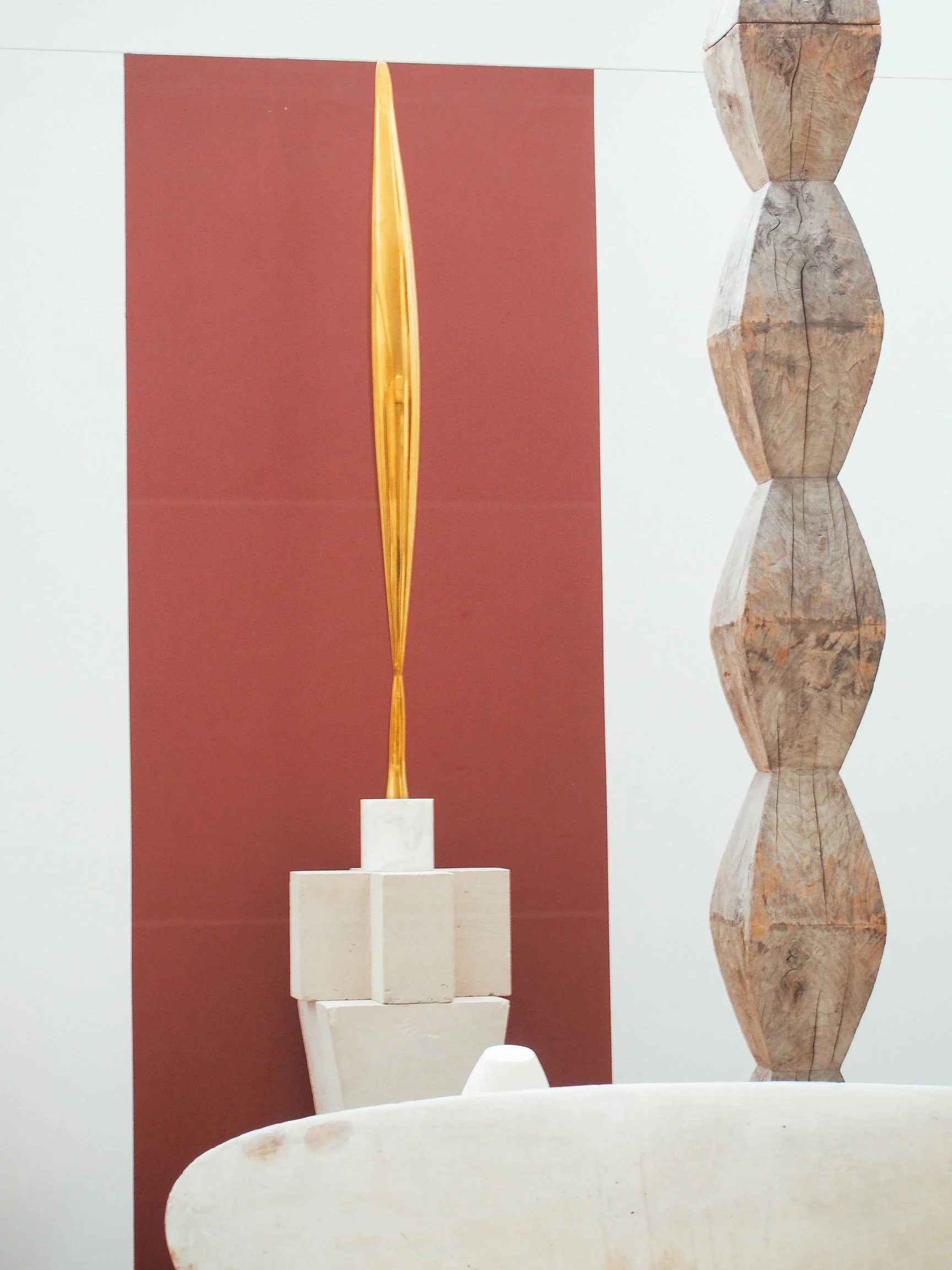
Brancusi was clear that his sculptures should be presented together in one installation, reflecting his original composition. For him, the studio space he inhabited was an integral part of the artwork itself and served as a canvas on which to adjust and readjust the panorama. On display at the Pompidou Centre, its representation appears something akin to a temple, safeguarding its relics. Inside he had complete control of the sculptures and their relationship to light, space and movement, repositioning each one to create an overall harmony. Brancusi viewed his work as an entire composition, rather than separate pieces and so factors such as the space between each form, their juxtaposition and choice of plinth became crucial.
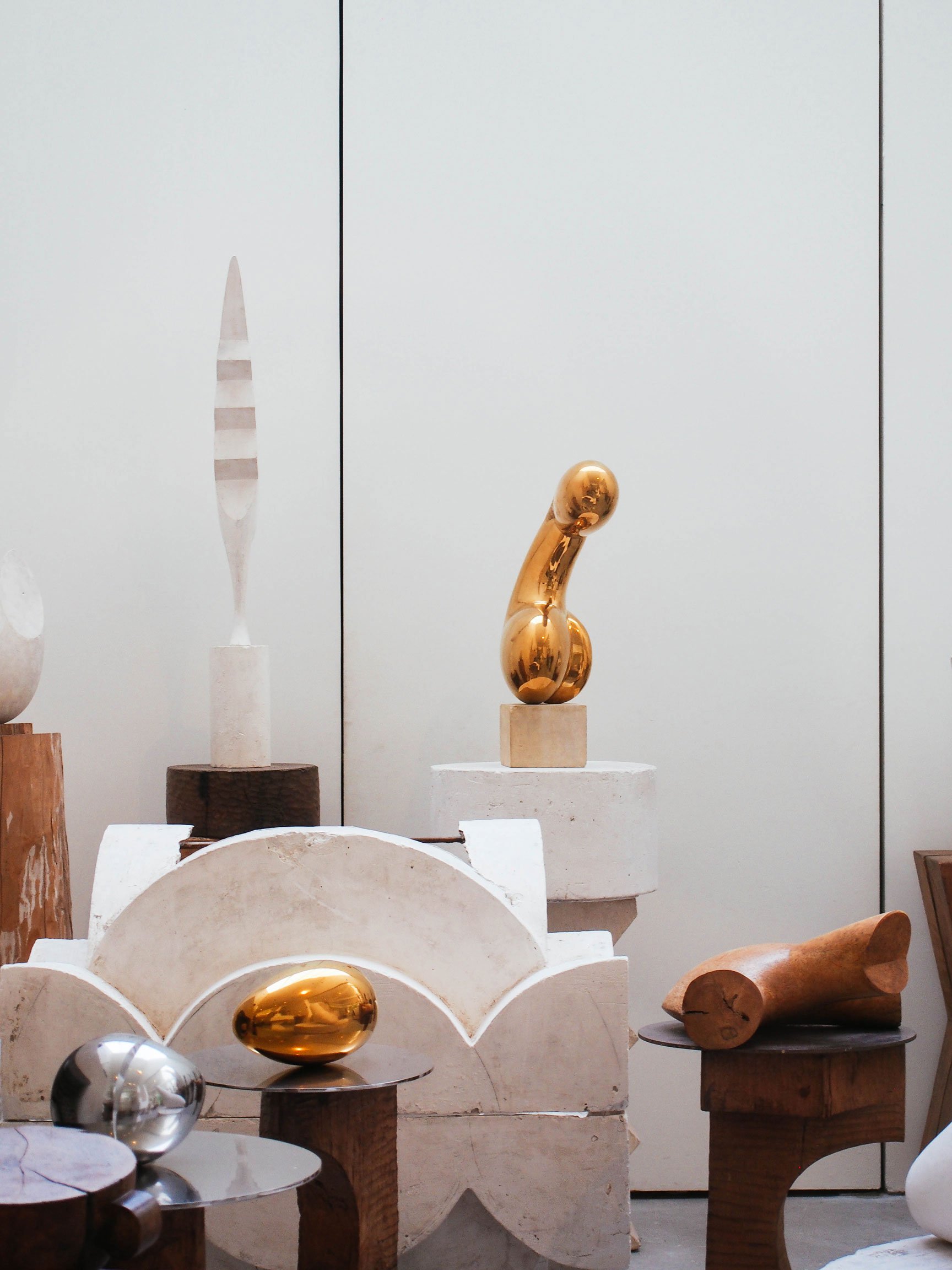
Princess X
In 1920 Brancusi found himself at the centre of a great scandal, when his bronze “Princess X” was withdrawn from display at the Salon des Independants after being brandished as obscenely pornographic. This became a driving factor in the sculptor’s decision to create an exhibition space within his studio, where he would have complete control over curation and censorship.
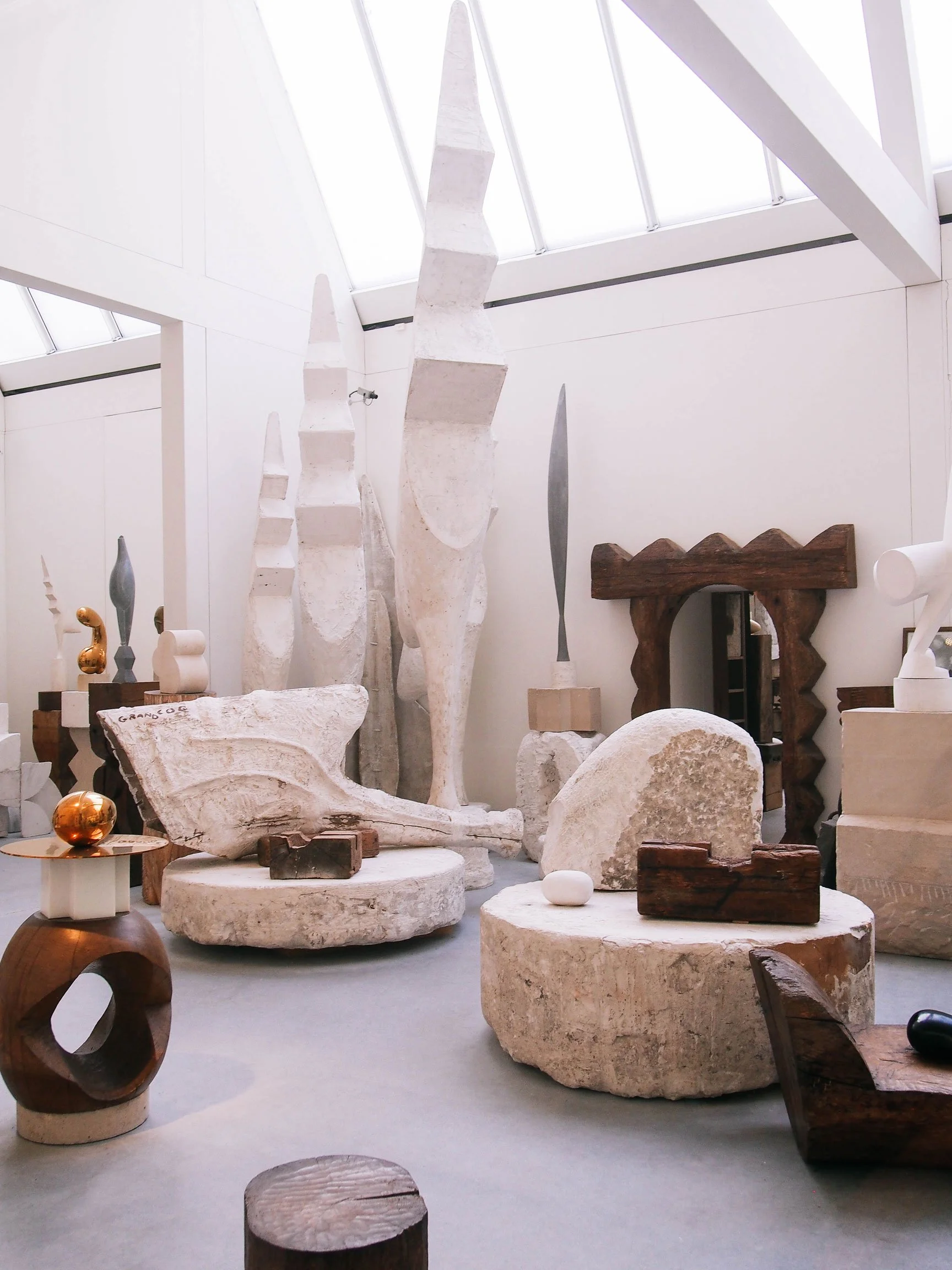
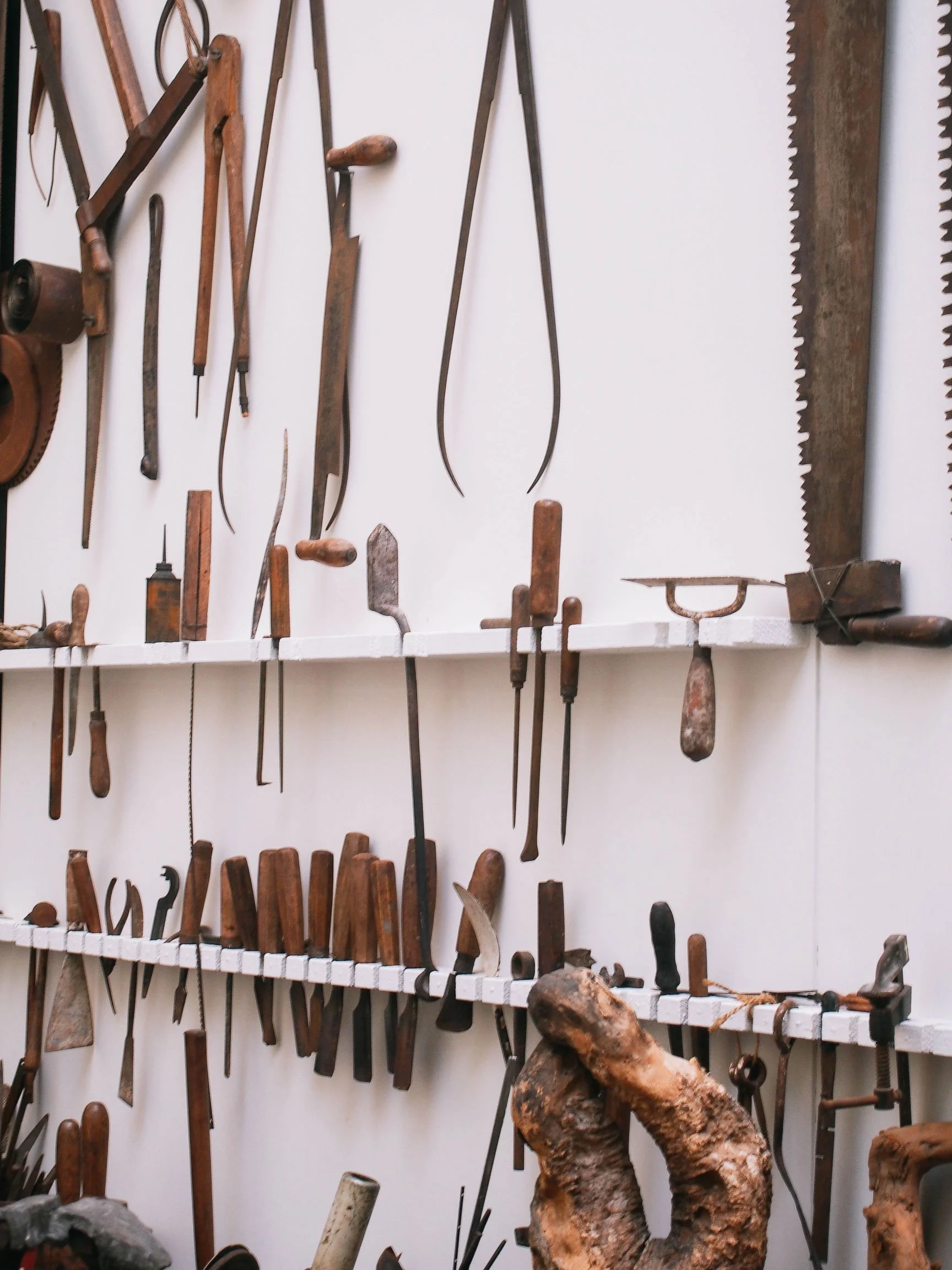
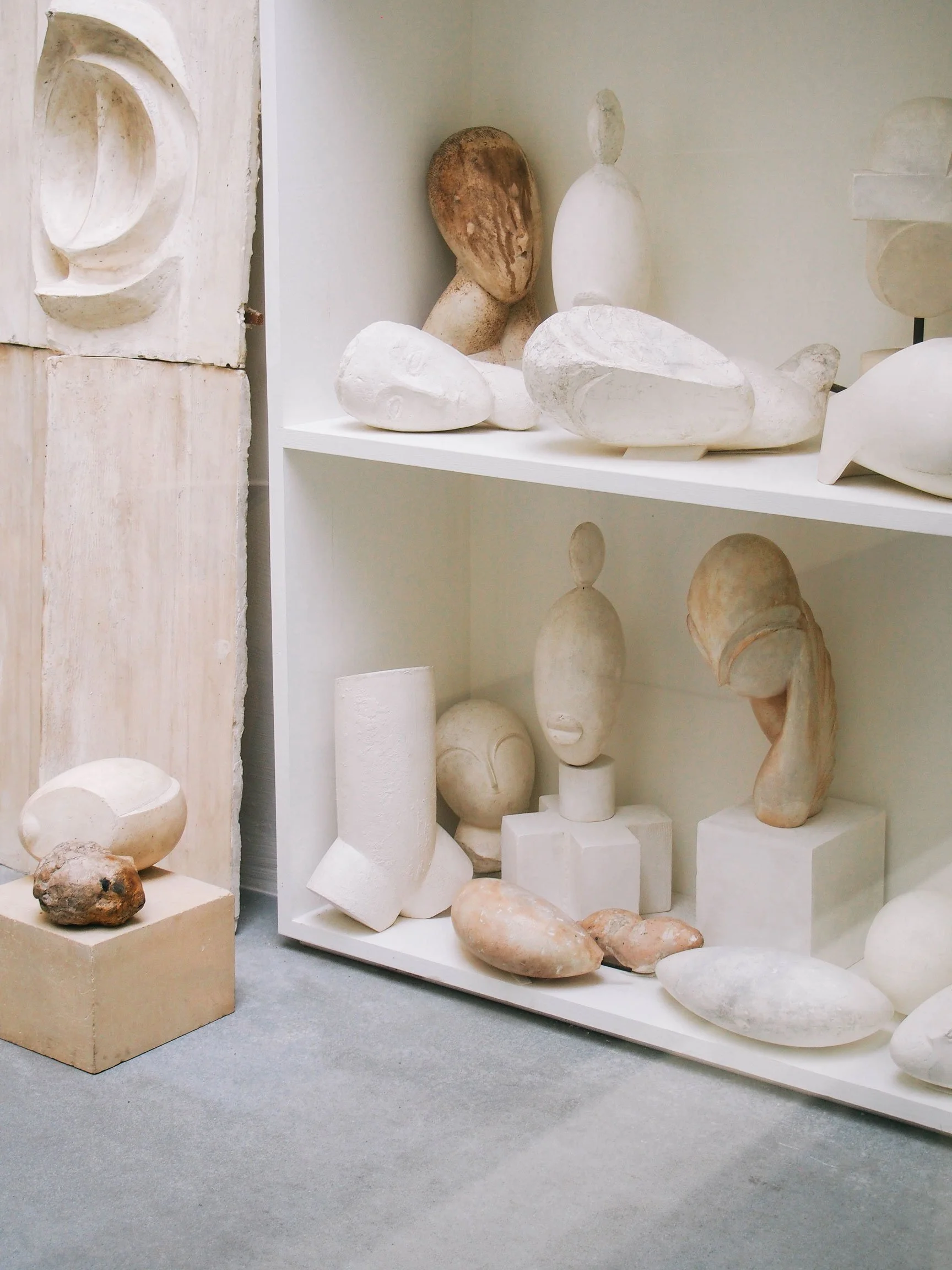
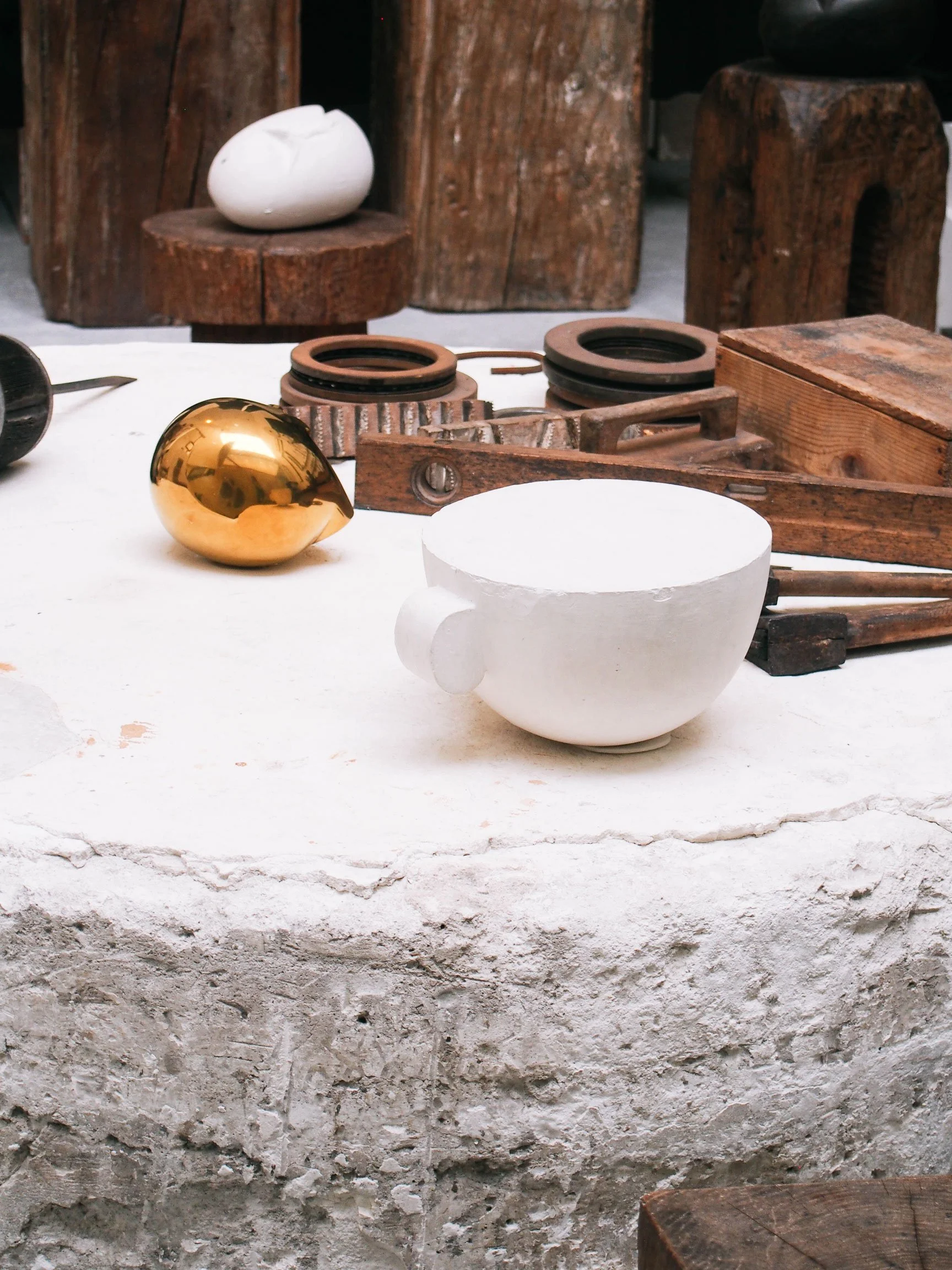
Each phase of the production is presented in the atelier, where polished bronze and painstakingly carved marble sit alongside dense, solid wood bases and plaster replicas. The artist stipulated that in the reconstruction of his atelier, they were not to omit the functional details, which are evident in his workroom, where the battered workbenches and vast collection of rusty hand tools, well-used hammers and carving knives fill the space.
“The studio is my garden, here I am alone and happy” – Constantin Brancusi.
Visit Atelier Brancusi at the Centre Pompidou, Paris
Photography & text: Jennifer Ring